Average Lifespan of Tile Roofs
Tile roofs commonly last between 50 and 100 years, with some systems exceeding that range under favorable conditions. Clay tiles often maintain structural integrity longer than concrete tiles, though both materials offer impressive durability. Longevity depends heavily on installation methods, roof slope, and exposure to sun, rain, wind, and temperature shifts.
Even when tiles themselves appear sound, aging materials beneath the surface can shorten the effective lifespan of the roof. This is why tile roof replacement timelines vary widely from one home to another.
What Actually Determines Replacement Timing
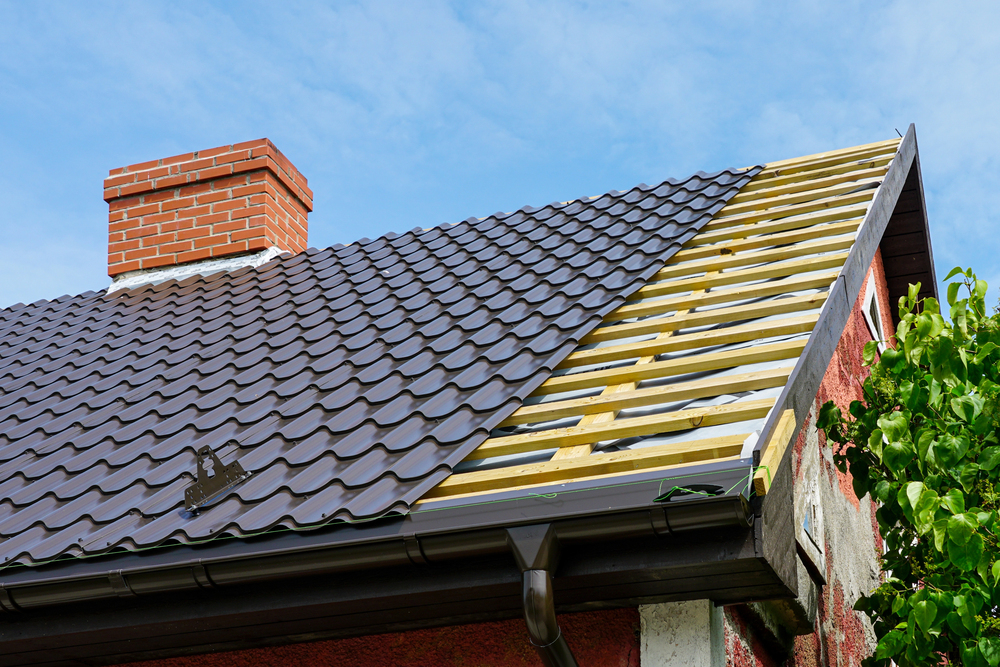
Many homeowners assume tile failure drives replacement, but underlayment condition is often the deciding factor. Underlayment acts as the primary water barrier beneath the tiles. Over time, it deteriorates due to heat, moisture, and natural aging. Once the underlayment breaks down, moisture intrusion becomes far more likely.
Roof structure, ventilation, and insulation also influence replacement timing. Poor airflow can trap heat and moisture beneath the roof, accelerating wear on underlayment and fasteners. These factors help explain the answer to, “How often does a tile roof need to be replaced?” in real-world conditions rather than ideal scenarios.
Signs a Tile Roof Is Approaching Replacement
Visible tile damage alone does not always signal full replacement, but patterns of recurring repairs often do. Frequent cracked tiles, persistent leaks, or widespread tile displacement suggest deeper system issues. Interior signs such as ceiling stains, attic moisture, or deteriorating wood framing indicate water has moved past protective layers.
Uneven tile alignment and exposed underlayment are additional warning signs. When these issues appear across multiple roof sections, replacement often becomes more cost-effective than continued repairs.
How Underlayment Impacts Tile Roof Longevity
Underlayment lifespan typically ranges from 20 to 30 years, depending on material type and environmental exposure. Asphalt-based felt underlayment tends to age faster than modern synthetic options. Even if tiles remain serviceable, worn underlayment limits the roof’s ability to protect the home.
Many tile roof replacements occur not because tiles fail, but because replacing underlayment requires removing the tile system. In these cases, homeowners may reuse undamaged tiles or upgrade materials during reinstallation.
How Often Should You Inspect a Tile Roof?
Knowing how often you should inspect a tile roof helps homeowners stay ahead of replacement needs. Professional inspections every three to five years allow early identification of underlayment wear, flashing concerns, and structural movement. Homes in areas with heavy sun exposure, high winds, or seasonal storms may benefit from more frequent checks.
Inspections also reduce long-term costs by addressing small issues before they spread. This proactive approach often extends the time between major replacement projects.
Environmental Factors that Influence Replacement
Climate plays a major role in tile roof replacement timing. Prolonged sun exposure can dry and weaken underlayment materials. Heavy rainfall places stress on drainage areas and flashing. Wind may shift tiles or loosen fasteners over time.
Homes near coastal areas face additional challenges from salt exposure, which can accelerate wear on certain materials. Freeze-thaw cycles in colder regions may also contribute to cracking and movement. These conditions explain why tile roofs age differently across regions.
Repair Versus Replacement Decisions
Tile roof repairs remain effective when issues are isolated and underlayment remains intact. Replacing individual tiles or correcting localized flashing problems can extend roof life for many years. Replacement becomes more practical when repairs become frequent or when underlayment failure is widespread.
A professional evaluation helps determine which option offers better long-term value. Replacement planning allows homeowners to address structural needs and upgrade materials while avoiding repeated repair costs.
When Repairs Stop Making Financial Sense
Tile roof repairs are often a practical solution when problems are limited and the underlying structure remains sound. Replacing a cracked tile or securing a small section can restore protection without impacting the rest of the roof. However, as repairs become more frequent, they may point to underlying issues that surface-level fixes can no longer resolve.
When homeowners notice repairs becoming more frequent or affecting multiple areas, costs can rise quickly. Labor expenses often exceed material costs with tile roofs due to careful handling and longer repair times. At this stage, continuing to repair may only delay the need for full replacement while increasing overall spending.
Another key indicator is underlayment condition. If moisture continues to appear after repairs, the protective layer beneath the tiles may be compromised. Once the underlayment begins to fail across larger sections, replacing the roof often becomes the more practical long-term option compared to ongoing patchwork.
Cost Considerations for Tile Roof Replacement
Tile roof replacement costs vary based on roof size, slope, material type, and labor complexity. Concrete tile systems often carry lower material costs, while clay tiles may require additional structural support due to weight. Labor timelines for tile roofs tend to be longer than other materials due to careful handling and installation requirements.
Costs may increase if structural reinforcements or underlayment upgrades are required. Planning replacement before emergency conditions arise often helps manage expenses more effectively.
Why Replacement Timing Matters
Delaying necessary replacement increases the risk of water damage, insulation loss, and interior repairs. Timely replacement protects the structure of the home and helps maintain consistent energy performance. Planning ahead allows homeowners to choose materials and schedules that align with their goals rather than reacting to urgent damage.
Knowing how often a tile roof needs to be replaced helps homeowners make informed decisions that support long-term property value and comfort.
Planning Ahead for Tile Roof Replacement
Tile roofs are long-lasting systems, but no roof lasts forever. Replacement timing depends on materials, environment, and maintenance history. Routine inspections, informed planning, and professional guidance help homeowners avoid surprises and protect their investment.
All About Roofing focuses on professional tile roofing services with affordability, quality workmanship, and honesty at the center of every project. As a women-owned company, we prioritize clear communication and homeowner trust. Our customer-first approach means recommendations are based on what benefits the home, not unnecessary add-ons.
We also hold certifications with CertainTeed and GAF, and maintain a strong standing with the Better Business Bureau. These credentials reflect our commitment to accountability and consistent results.
If you are unsure about your tile roof’s condition or replacement timeline, our team at All About Roofing is ready to help. We combine fair pricing, experienced craftsmanship, and honest guidance to help homeowners make confident decisions. Get a free quote today to get started on your new roof!