

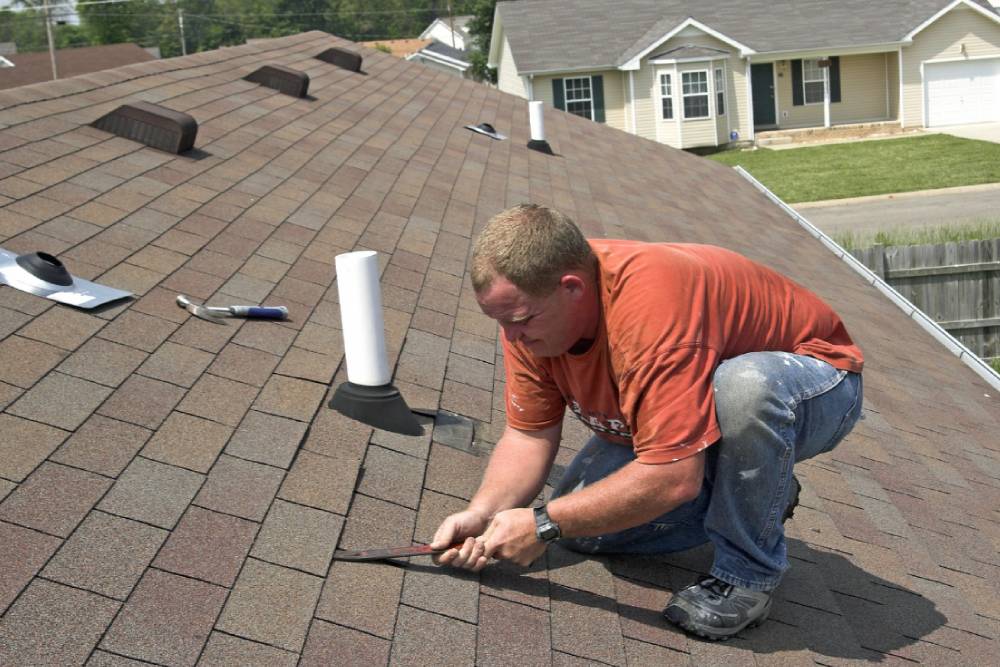
Roof replacement reshapes a home for a day or more, bringing impact, vibration, and steady noise through every room. Homeowners often ask, “Should I stay home during roof replacement?” when work begins early and crews move quickly across the structure. The answer depends on tolerance for sound, daily routines, pets, and safety planning.
Understanding tear-off activity, vehicle access, interior movement, and communication expectations helps households prepare wisely. With professional roof replacement services, homeowners make informed choices that protect comfort, property, and schedules during a reroof project.
What Staying Home During Roof Replacement Really Feels Like
A roof replacement affects more than the exterior. Hammering transfers vibration through framing, attic spaces, and ceilings.
Conversations become difficult, video calls lose clarity, and quiet tasks require relocation. Two-story homes experience some sound reduction on lower levels, though impact remains noticeable.
Tear-off phases bring the most disruption as materials exit the roof rapidly. Homeowners who anticipate these realities adjust plans more comfortably than those expecting light disturbance.
Noise Levels and Daily Routines
Roofing work creates steady noise from start to finish. Hand nailing, material movement, and cleanup each produce different sound levels. Households with remote work, naps, or medical needs should assess tolerance carefully.
Scheduling errands, arranging off-site workspaces, or planning alternative quiet time supports productivity. Clear expectations help prevent frustration and reduce stress during the workday.
Safety Considerations Inside and Outside the Home
Debris removal requires controlled drop zones near roof edges. Crews cannot see ground movement directly below, which creates safety concerns near doors and walkways. Avoiding marked areas protects occupants and supports efficient work.
Inside the home, vibration may loosen wall décor or shelf items. Removing fragile objects and securing valuables in advance helps prevent accidental damage.
Vehicle Access and Driveway Planning
Roof replacement requires equipment, trailers, and delivery vehicles positioned close to the house. Driveways often stay occupied for extended periods. Moving vehicles before crews arrive keeps access available if leaving becomes necessary.
Exiting during active work forces crews to pause and clear debris, which can extend project timelines. Planning ahead keeps the workflow steady.
Pets and Noise Sensitivity
Pets respond differently to prolonged noise and unfamiliar activity. Dogs may become anxious or protective, while cats often react to vibration with stress behaviors.
Animals sensitive to storms or fireworks typically struggle during reroofs. Temporary off-site care or quiet interior rooms away from exterior walls help reduce stress. Advance planning protects pets and workers alike.
Property Protection Before Work Begins
A property review before roof replacement creates a clear reference point. Photos of existing wear on screens, fixtures, and landscaping support clarity for everyone involved.
Responsible contractors respect property, though documentation adds protection. Indoors, securing attic access and covering stored items limits dust movement during tear-off and installation.
Communication With Your Roofing Contractor
Clear communication shapes the homeowner experience. Discuss daily start times, estimated completion windows, and designated safety zones before work begins. Knowing who to contact with questions helps reduce uncertainty. Contractors who explain project flow and expectations remove much of the anxiety homeowners feel during active construction.
How Long a Roof Replacement Typically Takes
Most residential roof replacements are complete within one to two days, depending on roof size, material choice, and weather conditions. Tear off often finishes within hours, followed by installation and final cleanup.
Weather delays or structural repairs may extend timelines slightly. Understanding duration helps homeowners decide how long staying home remains practical.
Interior Effects You Might Not Expect
In addition to noise, vibration may stir temporary dust from attic spaces. Older homes experience this more often due to settled materials. Closing interior doors and covering sensitive items reduces cleanup later.
Some homeowners notice small ceiling debris during the tear-off, which resolves once work ends. Awareness prevents unnecessary concern.
Is Staying Home Ever the Better Choice?
Some homeowners prefer to stay present for reassurance, accessibility needs, or quick questions. Staying home works best when schedules remain flexible and noise tolerance is high. Planning quiet activities or using noise-reducing headphones helps.
Presence does not interfere with quality when safety guidelines are followed. For many, the question “Should I stay home during roof replacement?” depends on comfort rather than necessity.
Roofing Services That Influence the Experience
Roof replacements differ from repairs or maintenance tasks. Repairs often limit disruption to specific areas, while full reroofs impact the entire structure. Understanding service scope clarifies expectations. Homeowners interested in broader roofing services benefit from tailored guidance that aligns work type with lifestyle needs.
For projects involving full tear-off and installation, roof replacement services demand greater preparation than smaller repairs. Matching expectations with service scope improves satisfaction.
Preparation Leads to Better Outcomes
Preparation turns a disruptive day into a manageable one. Adjusting schedules, securing property, planning pet care, and communicating clearly with the contractor set the tone. Homeowners who prepare thoroughly report smoother workflows and less frustration.
Knowing what to expect replaces uncertainty with confidence, especially when deciding should i stay home during roof replacement.
Protecting Long-Term Comfort After Installation
After the replacement concludes, benefits extend beyond visual appeal. Improved ventilation, updated materials, and sealed systems support interior comfort and moisture control. Post-installation walkthroughs explain maintenance steps and warranty details. These final moments reinforce trust and transparency.
Why Timing Matters
Scheduling roof replacement during predictable weather reduces delays and stress. Mild seasons allow faster completion and consistent workflows. Homeowners who plan early gain scheduling flexibility and better coordination with personal calendars. Thoughtful timing supports better experiences overall.
Work With Professionals Who Respect Your Space
Roof replacement disrupts routines, yet professional teams minimize impact through organization and communication.
Crews that respect safety zones, property boundaries, and homeowner concerns create smoother projects. Selecting contractors with strong reputations removes much of the uncertainty tied to construction work.
Move Forward With Confidence
Understanding what staying home involves helps homeowners choose wisely. There is no single answer for every household. Comfort, safety, and schedules guide the decision. With preparation and the right contractor, roof replacement becomes a manageable milestone rather than a stressful event.
Protect Your Home With All About Roofing
At All About Roofing, we treat roof replacement as a partnership. We communicate clearly, respect your space, and focus on affordability, quality, and honesty.
As a women-owned company, we remove the bad contractor experience by putting homeowners first. If staying home or stepping out feels right for your schedule, our team supports the plan and keeps the process transparent.
Call us or get a free quote to schedule your project.