
Homeowners and property owners often ask, “Is roof replacement a capital improvement?” when planning a major roofing project. The answer matters because it can affect taxes, property value, and long-term financial planning. Roof replacement is one of the most expensive home upgrades, so understanding how it is classified helps owners make informed decisions before work begins.
In general, roof replacement is treated differently from routine repairs. While small fixes are usually considered maintenance expenses, a full roof replacement often falls into a different category. Knowing how tax authorities and accounting standards view this work can help avoid confusion later.
What Is a Capital Improvement?
A capital improvement is a permanent upgrade that increases the value of a property, extends its useful life, or adapts it to a new use. These improvements are not short-term fixes. They change the property in a meaningful way that benefits it for many years.
Examples often include structural upgrades, major system replacements, or additions that enhance durability and performance. Roof replacement is commonly included in this category because it restores a critical structural component and significantly extends the life of the building.
Is Roof Replacement a Capital Improvement Under Tax Rules?
In most cases, the answer to “Is roof replacement a capital improvement?” is yes. Replacing an entire roof is typically viewed as an improvement rather than a repair because it restores the roof to a like-new condition and extends the life of the property.
According to guidance from the Internal Revenue Service, capital improvements are added to the property’s cost basis rather than deducted as a current expense. This means the cost may affect capital gains calculations when the property is sold rather than offering an immediate tax deduction.
How Roof Replacement Differs from Repairs
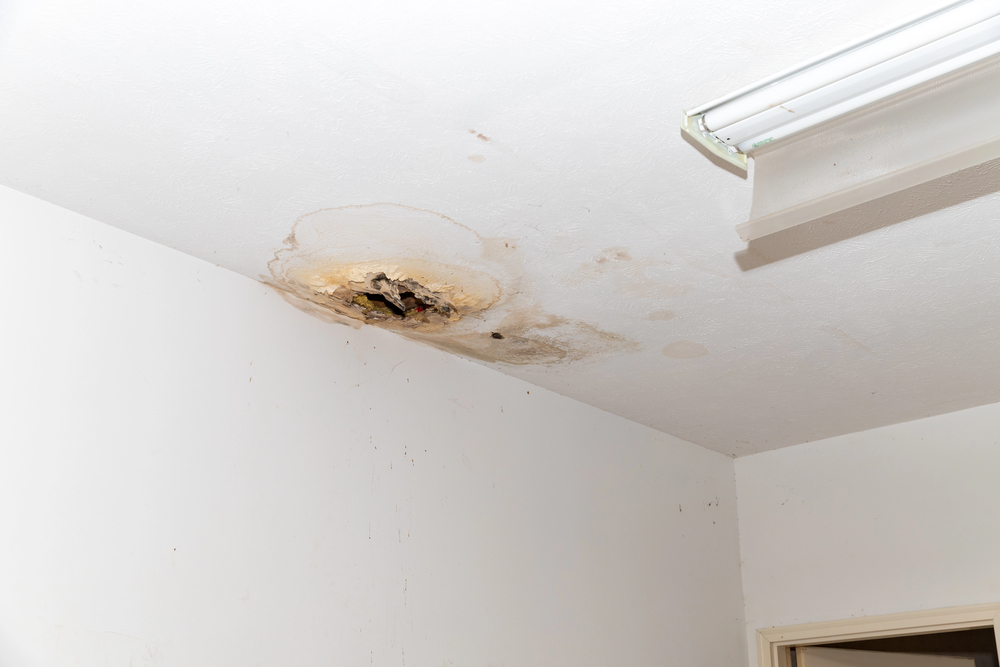
Being aware of the difference between repairs and improvements helps clarify classification. Roof repairs fix a specific problem and return the roof to its previous condition. Examples include replacing a few damaged shingles, sealing flashing, or patching a leak.
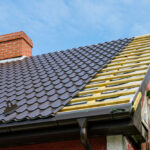
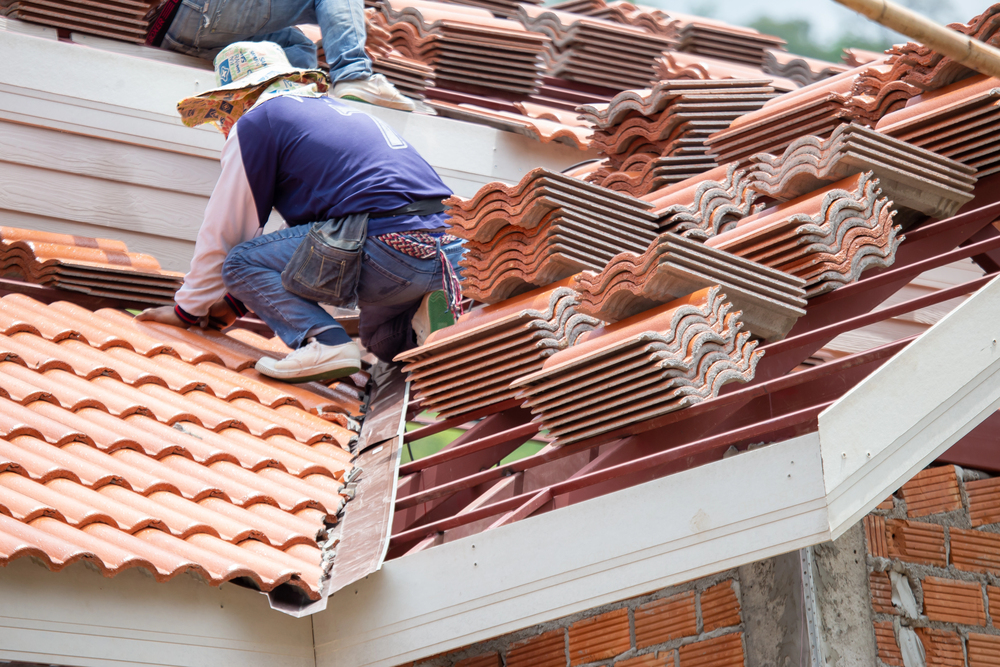
Roof replacement services involve removing and installing a new roofing system across the entire structure. This type of work goes far beyond maintenance and changes the condition and longevity of the building. Because of that scope, it is generally not treated the same way as smaller roof repairs.
Is a Roof Replacement a Capital Expense
Property owners also ask whether a roof replacement is a capital expense when reviewing accounting records. For rental properties and commercial buildings, roof replacement is usually classified as a capital expense. Capital expenses are costs that benefit the property over multiple years rather than within a single tax year.
Instead of being deducted immediately, capital expenses are typically depreciated over time based on applicable schedules. This approach reflects the long-term value the new roof brings to the property.
How Capital Improvements Affect Property Value
One of the reasons roof replacement is often treated as a capital improvement is its impact on property value. A new roof improves structural integrity, protects interior systems, and enhances buyer confidence. These factors contribute to higher resale value and market appeal.
Even when the roof does not change the appearance dramatically, buyers and appraisers recognize the benefit of a recently replaced roof. This long-term value is a key reason the work is categorized differently from routine maintenance.
Residential Versus Rental Property Considerations
Classification can differ slightly depending on how the property is used. For a primary residence, roof replacement is still considered a capital improvement, but homeowners usually benefit from it through increased basis rather than annual deductions.
For rental properties, the financial impact may be more complex. Roof replacement costs are typically capitalized and depreciated over time. Property owners should consult a tax professional to understand how depreciation schedules apply to their specific situation.
When Roof Work May Not Be a Capital Improvement
Not all roof-related work qualifies as a capital improvement. Replacing a few tiles after storm damage or sealing minor leaks is usually considered maintenance. These tasks do not significantly extend the life of the roof or change its overall condition.
The key factor is scope. When work addresses isolated issues rather than replacing the system as a whole, it is less likely to be treated as a capital improvement. Documentation of the work performed can help clarify classification if questions arise later.
Why Documentation Matters
Keeping clear records is important when roof replacement is treated as a capital improvement. Contracts, invoices, permits, and inspection reports help establish the scope and purpose of the project. These records support cost basis adjustments and depreciation calculations.
Accurate documentation also helps homeowners and property owners explain the nature of the work if questions arise during resale or tax review. Organized records reduce uncertainty and simplify long-term planning.
Planning Roof Replacement with Long-Term Impact in Mind
Because roof replacement is usually a capital improvement, planning should consider more than immediate needs. Material selection, installation quality, and system design all influence how long the improvement will last.
Choosing experienced professionals helps protect the investment and supports proper classification. A well-executed roof replacement supports both structural performance and financial planning over many years.
How Tile Roof Replacement Fits Into Capital Improvements
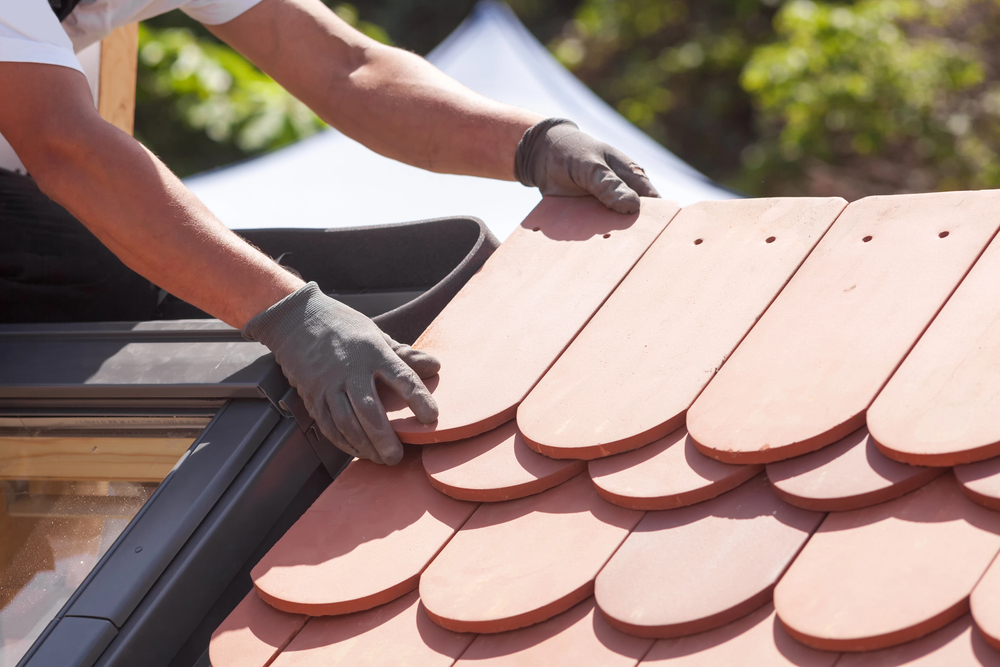
Tile roof replacement is a strong example of a capital improvement because tile systems are designed for long service life. Replacing a tile roof often includes new underlayment, flashing, and structural considerations that significantly extend roof longevity.
Why Professional Guidance Matters
Roof replacement decisions affect more than the exterior of a home. They influence property value, tax treatment, and long-term costs. Working with experienced professionals helps homeowners understand the scope of work and its lasting impact.
Why Homeowners Choose Our Team
If you are considering roof replacement and want honest guidance from an experienced team, All About Roofing is ready to help. We are a women-owned company that places the customer first in every project. Serving multiple locations, we focus on quality work, fair pricing, and customer-first service to protect both your home and your investment.
Get a free quote today and discuss your roofing plans with confidence.