Finding out how tile roofs function as a complete system helps homeowners avoid assumptions that can lead to costly mistakes. From material selection to installation quality and ongoing care, tile roofs reward informed planning and realistic expectations.
What Is Tile Roofing and How Does It Work?
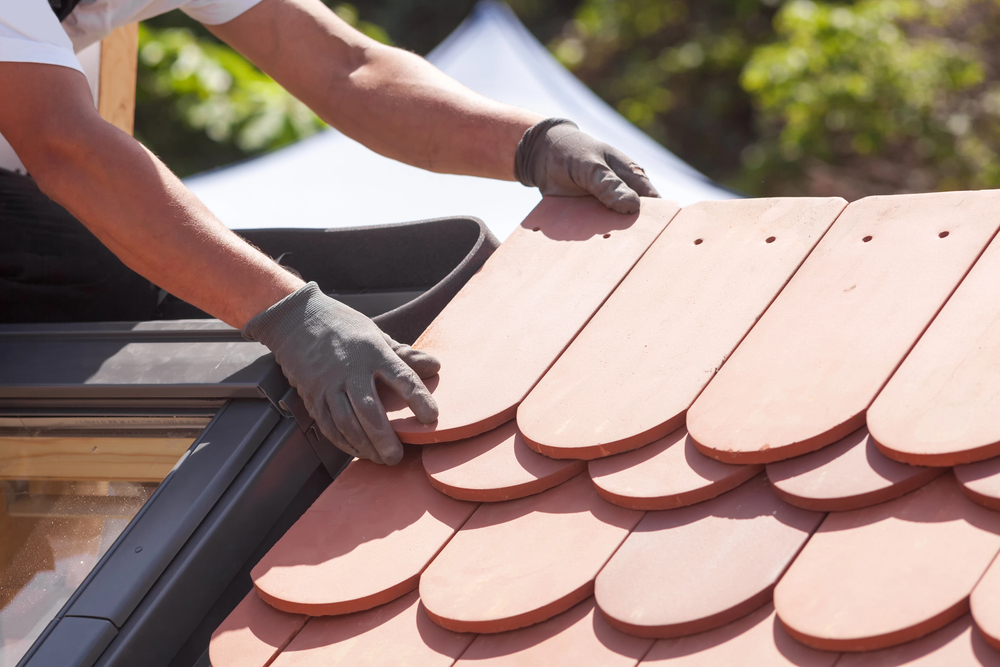
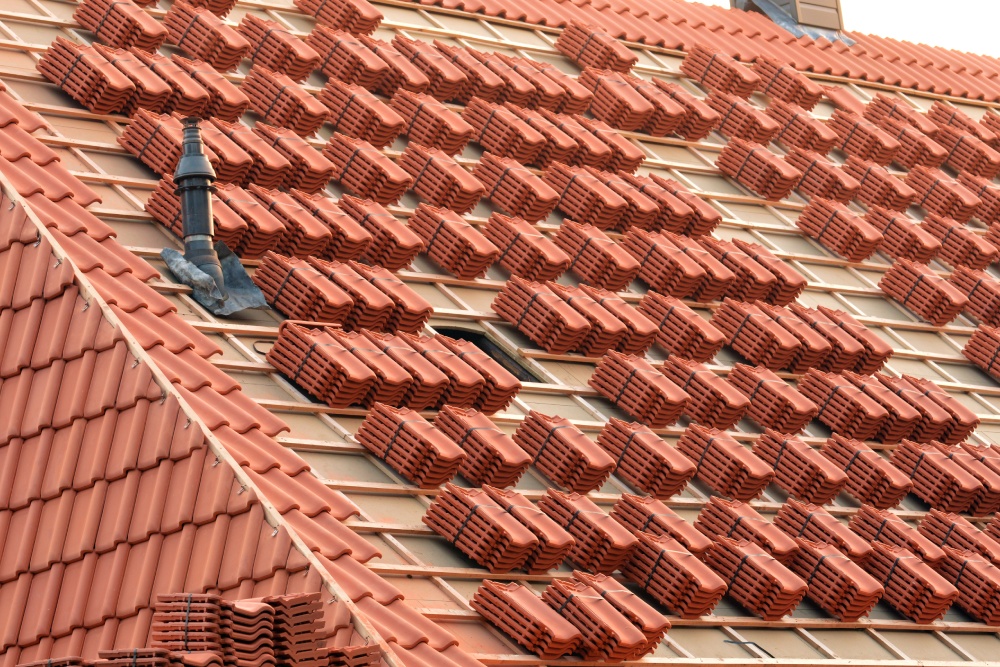
A tile roof is more than a surface covering. It is a complete system made up of individual tiles, underlayment, flashing, and structural support. Each component plays a role in protecting the home and extending the roof’s lifespan.
As to how they work, tile roofs are designed to shed water rather than seal it out entirely. Rain flows over the curved or interlocking tiles and exits the roof through gravity and proper drainage paths.
Beneath the tiles sits the underlayment, which acts as the primary water barrier. Flashing protects roof transitions such as chimneys, valleys, and vents. Together, these layers manage moisture while allowing airflow that helps regulate attic temperatures and reduce heat buildup.
Common Types of Tile Roofing Materials
Tile roofing comes in several material options, each with distinct characteristics. Clay tiles are known for their natural color retention, fire resistance, and long lifespan. They are commonly associated with Mediterranean and Spanish-style architecture but are used in many home designs.
Concrete tiles offer versatility and affordability while still delivering strength and durability. They can be manufactured in a wide range of shapes and colors to resemble clay, slate, or wood. Slate tiles, while less common, are valued for natural beauty and exceptional longevity, though they often require added structural support.
How Long Can a Tile Roof Last?
One of the most common questions homeowners ask is how long a tile roof will last. In many cases, tile roofs remain functional for 50 to 100 years when installed and maintained properly. Clay tiles often outlast concrete tiles, though both materials offer impressive longevity.
While tiles themselves may last decades, the underlayment beneath them typically requires replacement sooner. This is why tile roofs sometimes undergo lift-and-relay projects, where tiles are removed, underlayment replaced, and tiles reinstalled to extend roof life.
The Role of Climate and Environment
Climate has a strong influence on residential roofing. In sunny regions, prolonged heat exposure can accelerate underlayment aging. Areas with frequent storms may experience tile shifting or impact damage from debris. Coastal environments introduce salt exposure, which can affect certain materials over time.
Tile roofs perform well in harsh conditions due to their resistance to fire, insects, and rot. Proper installation and routine inspections help mitigate environmental stress and preserve long-term performance.
Maintenance Expectations for Tile Roofs
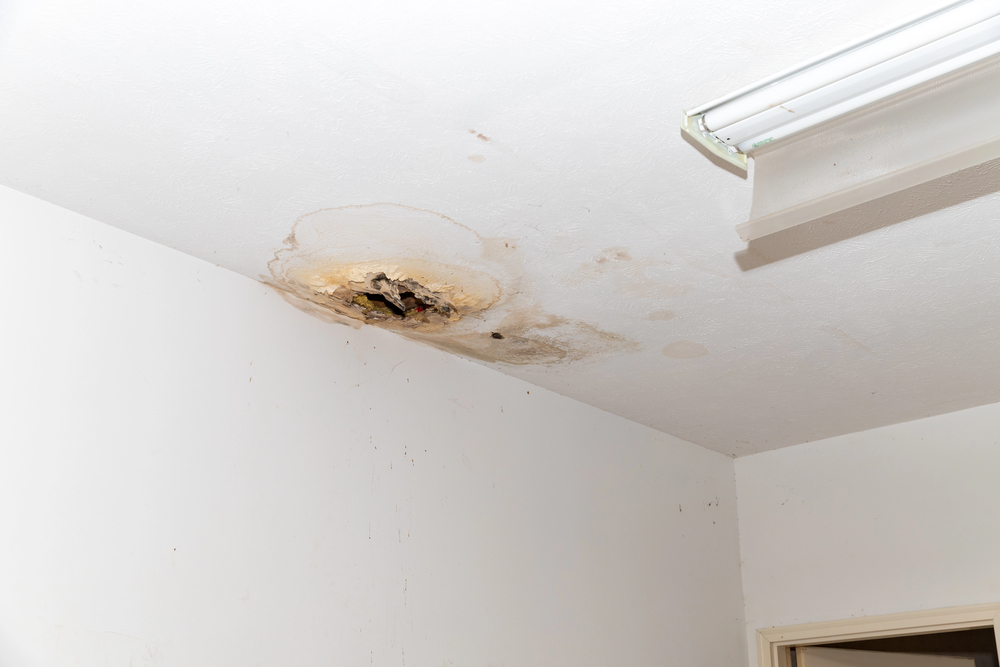
Many homeowners assume tile roofs require little attention, but maintenance still plays a role in longevity. Regular inspections help identify cracked tiles, loose sections, and early signs of underlayment wear. Addressing these issues early helps prevent moisture intrusion and interior damage.
Keeping valleys, gutters, and flashing areas clear of debris supports proper drainage. Algae or moss growth may appear in shaded areas and should be addressed to prevent moisture retention. Roof tile maintenance focuses on preserving the full system rather than only visible tiles.
Installation Quality and Structural Support
Installation quality directly affects how well a tile roof performs over time. Tiles are heavy and require proper structural evaluation before installation. Homes may need reinforcement to support the added weight, especially when replacing lighter roofing materials.
Correct placement of underlayment, flashing, and fasteners is just as important as tile alignment. Many tile roof failures trace back to improper installation rather than material defects. Engaging professional tile roofing services helps avoid these risks.
Cost Considerations for Homeowners
Tile roofing typically carries a higher upfront cost compared to asphalt shingles. Material costs, labor time, and structural requirements all contribute to pricing. Concrete tiles often fall on the lower end of the cost range, while clay and slate tiles can increase overall investment.
Despite a higher initial expense, tile roofs often offer strong long-term value. Their durability, lower frequency of replacement, and reduced maintenance needs help offset costs over time. Planning ahead allows homeowners to budget responsibly rather than react to emergency repairs.
Repair Versus Replacement Decisions
Tile roofs can often be repaired when damage is isolated. Replacing individual tiles or addressing flashing issues can extend roof life for many years. Replacement becomes more appropriate when underlayment failure is widespread or when repairs become frequent and costly.
Professional evaluations help homeowners understand the condition of both visible tiles and hidden components. Knowing when repairs stop making sense allows for smarter long-term planning and better protection of the home.
What Homeowners Should Expect Over Time
Tile roofs change gradually. Small shifts, minor cracks, or aging underlayment often appear before serious problems develop. Routine inspections every few years help homeowners stay informed and avoid surprises.
Understanding how a tile roof performs over time helps homeowners plan maintenance, repairs, and eventual replacement with confidence instead of urgency.
Why Professional Experience Matters
Tile roofing systems require specialized knowledge that differs from other roofing materials. Improper foot traffic, incorrect tile removal, or poor flashing work can create additional damage during repairs. Experienced professionals understand how to work safely on tile roofs without compromising alignment or structure.
All About Roofing focuses on roof replacement and tile roofing with honesty, quality workmanship, and affordability at the center of every project. As a women-owned company, we prioritize clear communication and homeowner trust. Our customer-first approach means recommendations are based on what benefits the home, not unnecessary extras.
We are proud to be BBB accredited and certified with CertainTeed and GAF. These credentials reflect our commitment to accountability, craftsmanship, and long-term results. Learn more about our a professional tile roofing services and get a free quote today.